Hyperbaric oxygen therapy in Perth.
Inside the chamber, ambient pressure is gradually increased to between 1.3 and 2.0 atmospheres absolute (ATA), allowing oxygen to dissolve more efficiently into the bloodstream and circulate throughout the body at higher concentrations. This increase in dissolved oxygen supports circulation, recovery, tissue repair, nervous-system regulation, and the body's broader recovery processes over time. Element offers two chamber environments across our Perth centres: the Oxygen Health Systems lie-down chamber for more accessible lower-pressure sessions, and the clinical-grade Zeugma seated chamber for higher-pressure recovery and performance protocols.
This therapy is typically delivered within structured recovery protocols.
Hyperbaric Oxygen Therapy is most effective when frequency, pressure and recovery pacing are guided intentionally over time rather than approached sporadically. At Element, HBOT is commonly integrated into broader recovery and performance plans alongside Red Light Therapy, Hyperthermic Sauna, Cryotherapy and Theta Chamber sessions depending on the individual and the goal. Single sessions are available for those wanting to experience the chamber before committing to a structured plan.
See protocols including HBOT →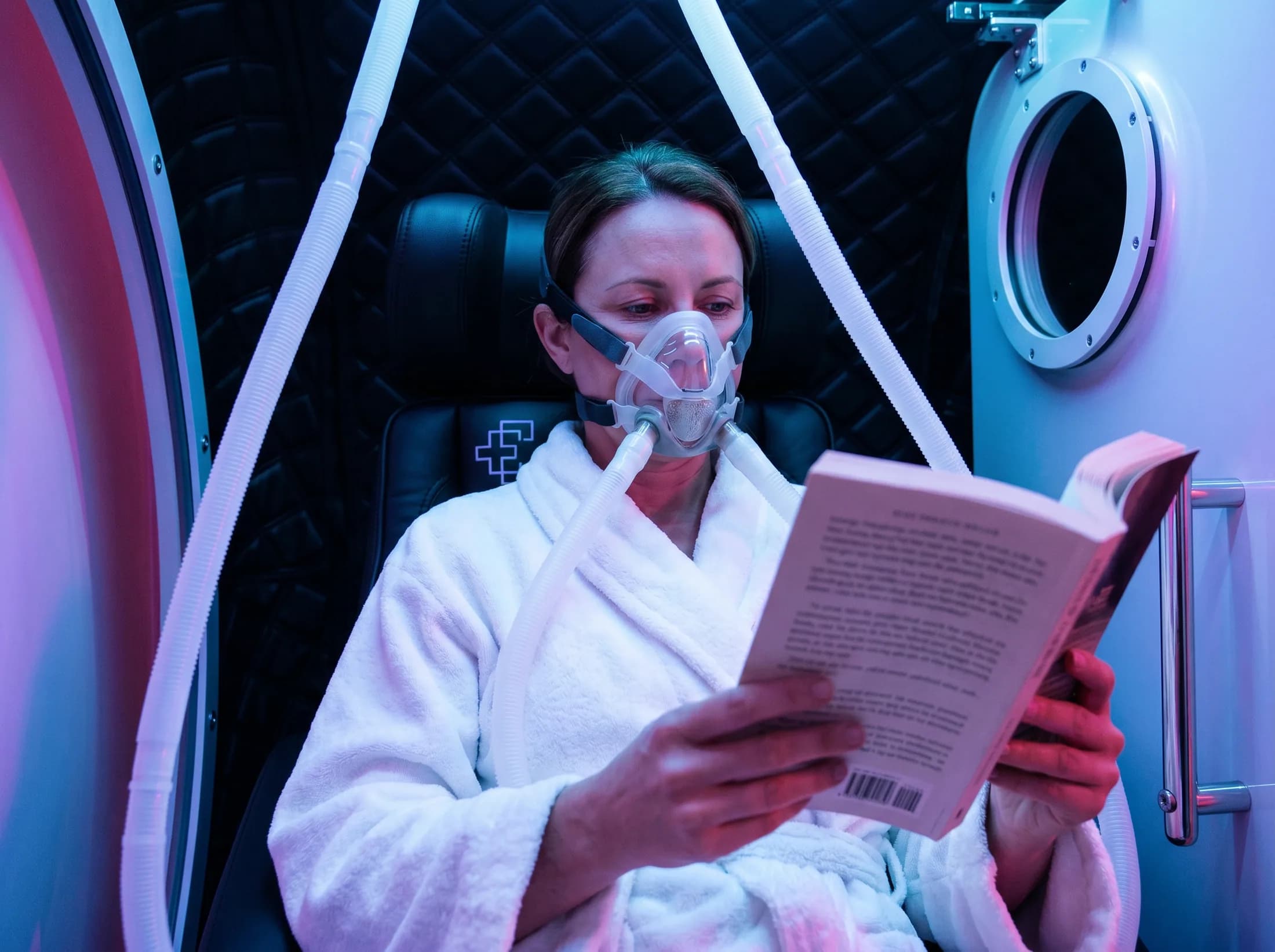
The science behind HBOT.
How pressurised oxygen reaches deeper tissue
Under normal conditions, oxygen is primarily transported through the body attached to red blood cells. Under increased atmospheric pressure, oxygen dissolves more efficiently into blood plasma and other body fluids, allowing higher concentrations of oxygen to circulate throughout the body. This enables oxygen to reach areas where circulation may be reduced or where tissues ordinarily receive lower oxygen availability, supporting the body's broader recovery and repair processes over time.
Oxygen Health Systems chamber
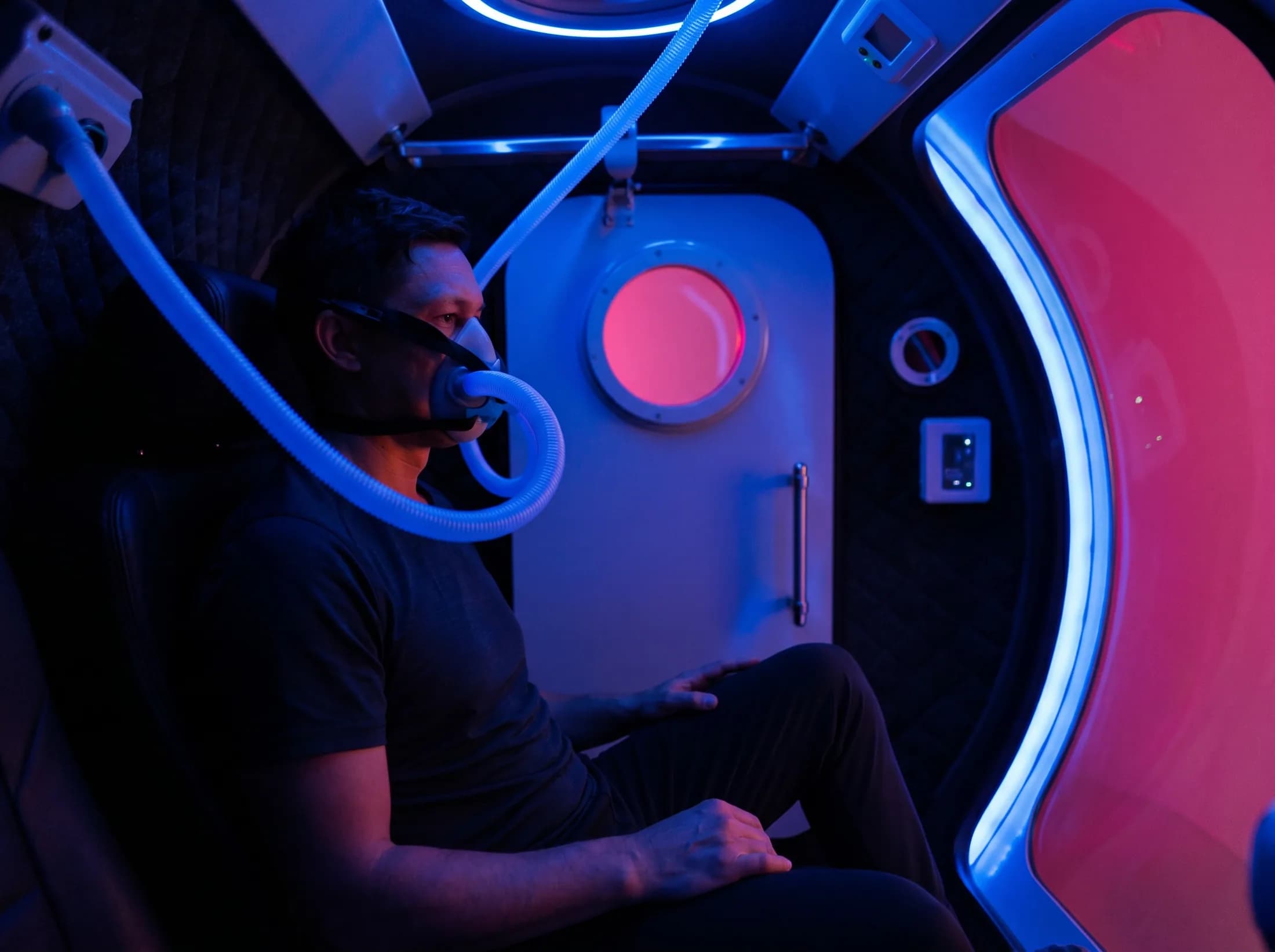
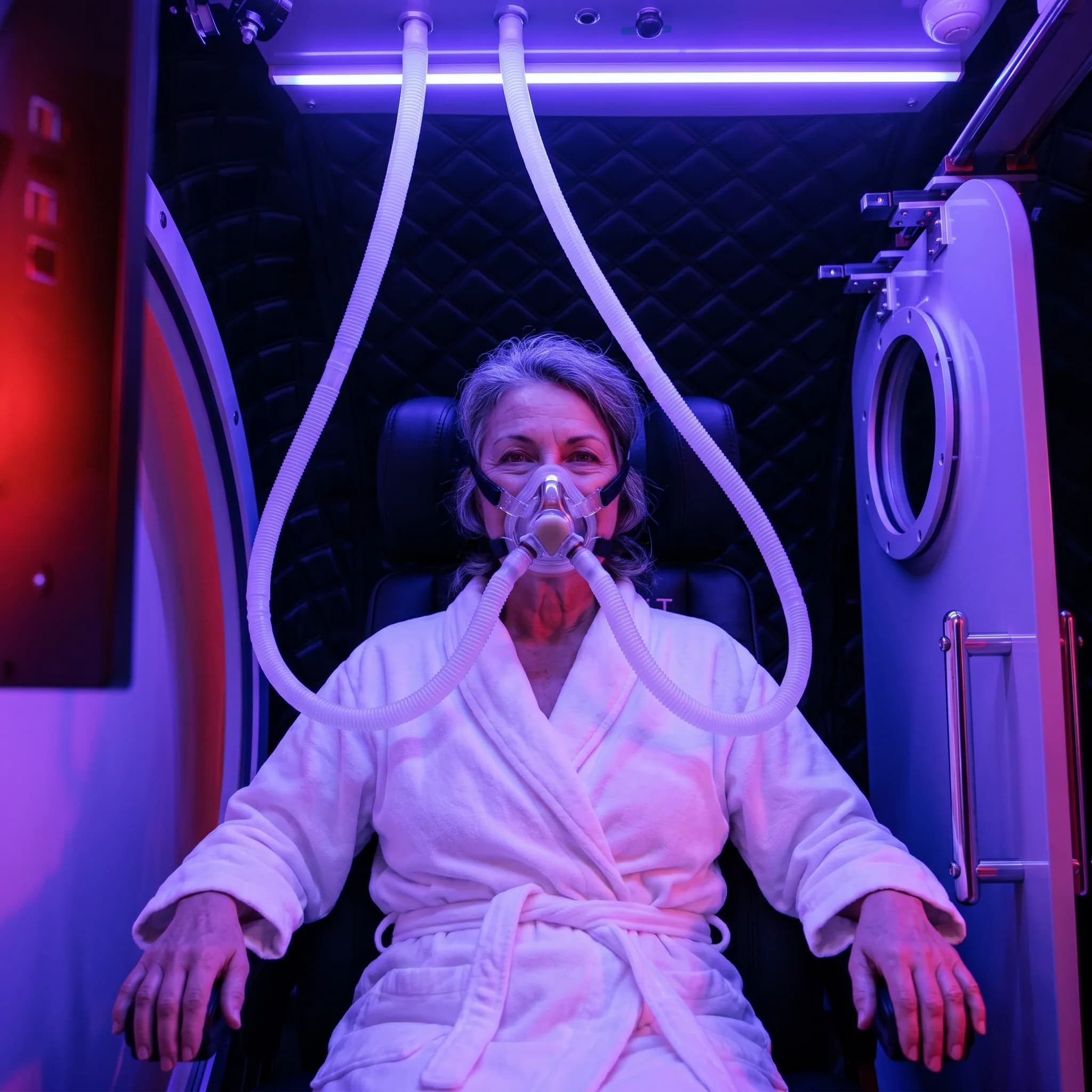
A lie-down chamber designed for more accessible lower-pressure sessions. Clients breathe oxygen through a free-flow mask or nasal cannula while the chamber gradually pressurises between 1.3 and 2.0 ATA. The reclined environment is often preferred by clients wanting a quieter, more relaxed recovery experience.
Zeugma clinical-grade chamber
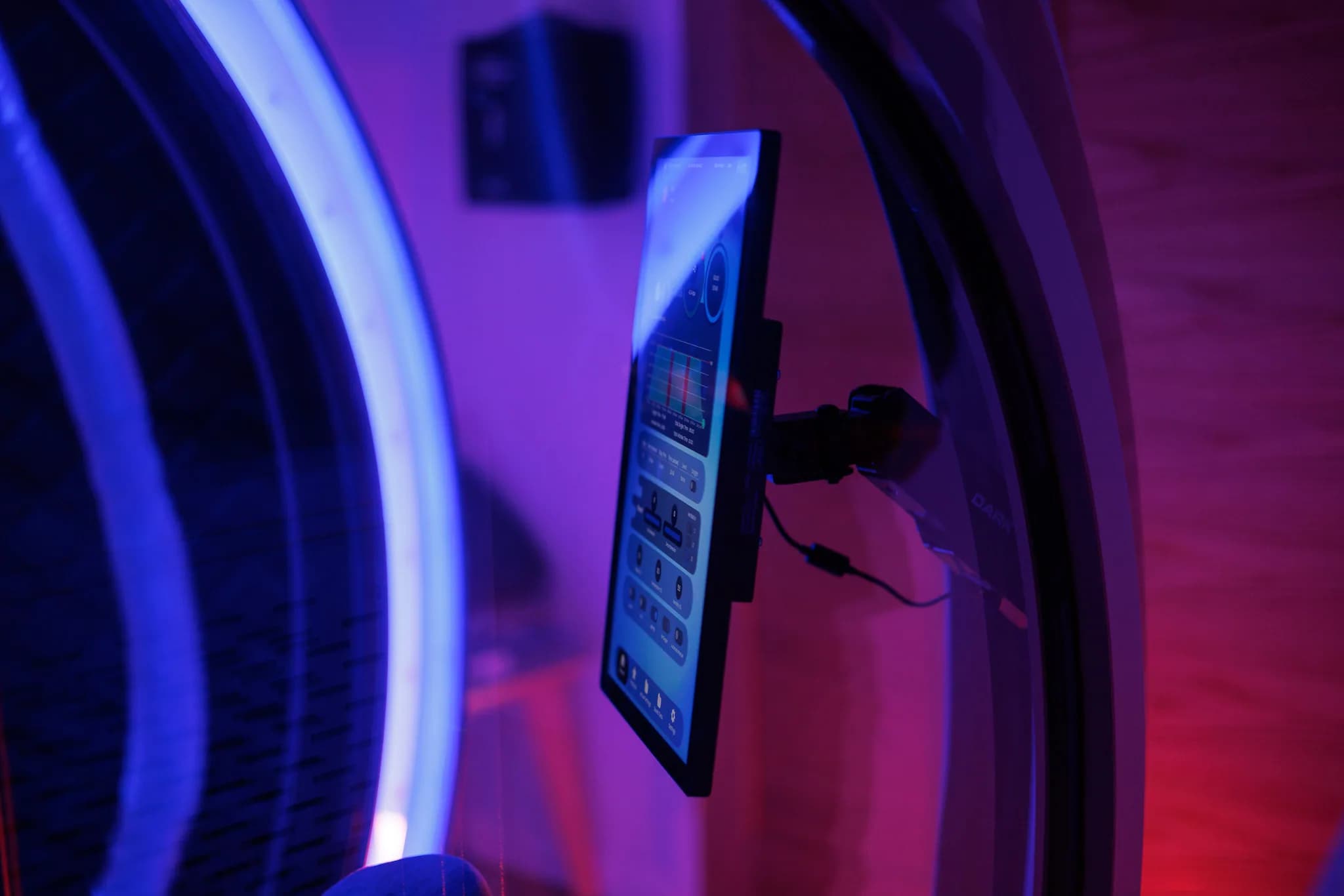
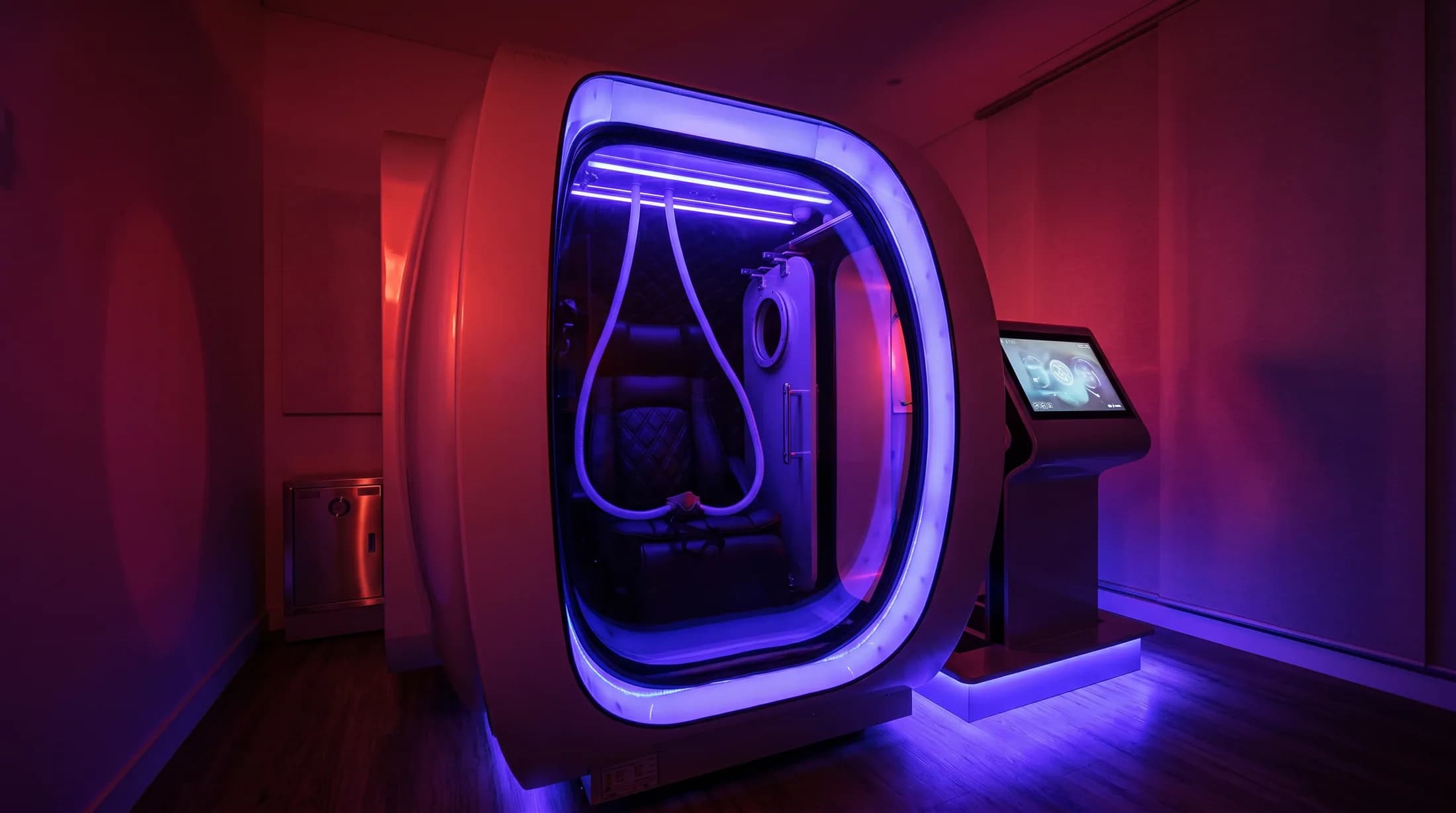
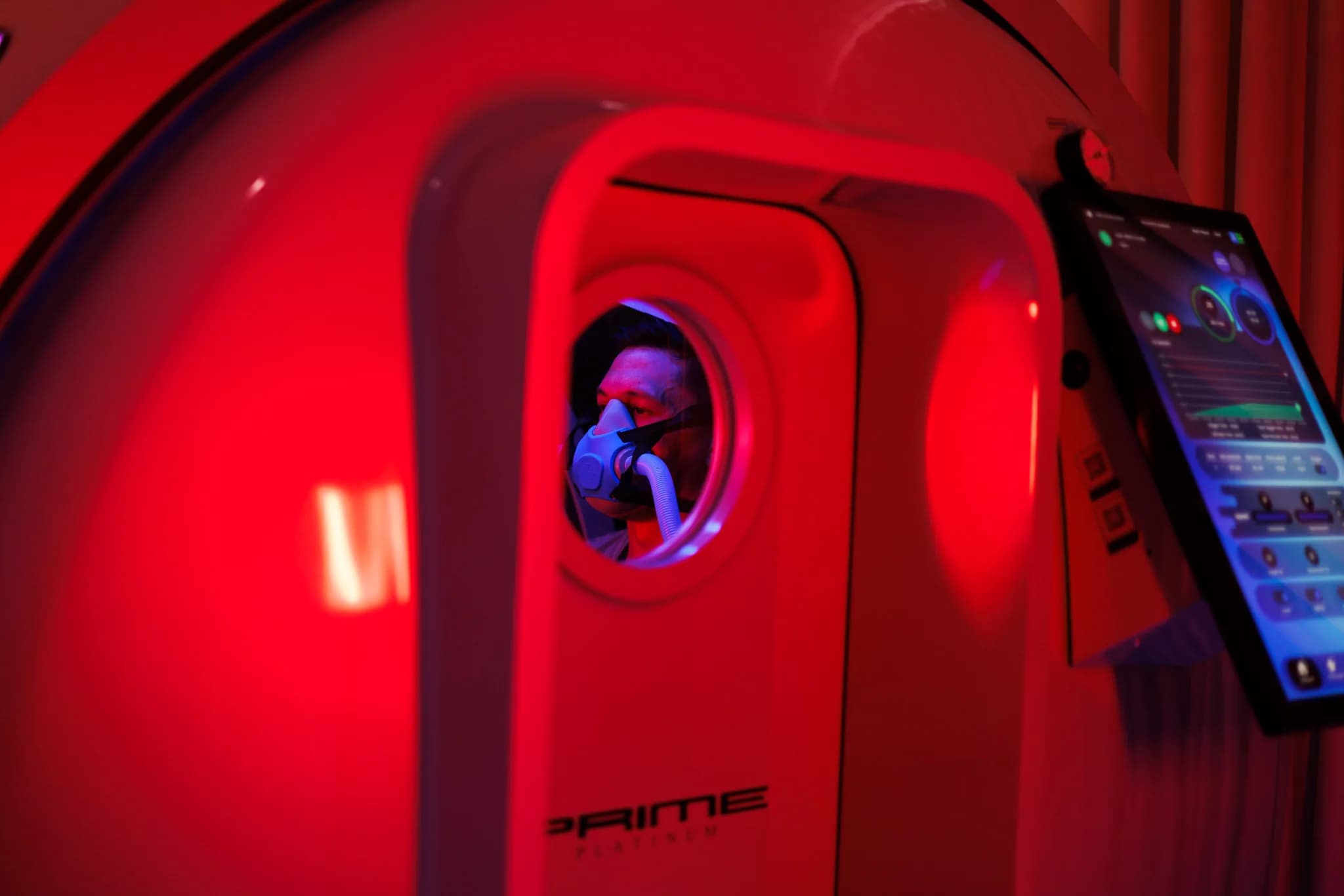
A seated clinical-grade chamber designed for higher-pressure recovery and performance protocols. The Zeugma chamber uses an integrated Built-In Breathing System (BIBS), delivering significantly greater oxygen efficiency compared with free-flow systems. Large panoramic windows, touchscreen controls and a more open seated environment also make the experience feel less enclosed for many clients.
Which chamber is right for you?
Your Consultant will recommend the most appropriate chamber environment based on your protocol goals, comfort preferences, recovery capacity and the pacing required within your broader plan. Both chamber environments are designed around the same principle: increasing oxygen availability throughout the body to support recovery, regulation and cumulative adaptation over time.
What Is Hyperbaric Oxygen Therapy?
Hyperbaric Oxygen Therapy involves relaxing inside a pressurised chamber while breathing concentrated oxygen under increased atmospheric pressure. Within this environment, oxygen is delivered throughout the body under controlled conditions during a scheduled session. HBOT has become increasingly recognised within recovery, wellness, rehabilitation and longevity-focused settings due to its non-invasive nature and broad supportive applications. At Element, HBOT is delivered within a structured, protocol-led framework designed around consistency and individual goals.
How HBOT Works
During a session, clients relax inside a pressurised chamber while atmospheric pressure is gradually increased. Concentrated oxygen is delivered throughout the session while clients remain seated or reclined comfortably depending on the chamber type. Sessions are designed to feel calm, comfortable and supportive. Our team guides clients throughout the process to ensure a smooth and reassuring experience.
Why Clients Explore HBOT
Clients seek Hyperbaric Oxygen Therapy for a wide range of reasons. Some are focused on recovery support, post-training recovery, injury rehabilitation support, nervous system recovery, fatigue and burnout support, longevity and wellness routines, recovery during periods of stress, and general wellbeing optimisation. Others are referred or encouraged to explore HBOT by healthcare practitioners, rehabilitation providers, allied health teams, and wellness professionals. Every individual's goals and circumstances are different, which is why our process begins with consultation and structured assessment.
The Element Approach To HBOT
One of the key differences at Element is that HBOT is rarely positioned as an isolated treatment. Instead, it is integrated into structured recovery protocols designed to support consistency, recovery rhythm, ongoing wellbeing, and sustainable recovery practices. Depending on the individual, HBOT may be combined with Full Body Red Light Therapy, Infrared Hyperthermic Sauna, Theta Chamber sessions, and structured scheduling and progression. Our goal is to create a more supportive recovery framework rather than relying on occasional standalone sessions.
A Premium Hyperbaric Experience
Element utilises advanced hyperbaric systems designed to prioritise comfort, space, efficiency, and a premium client experience. Our centres feature both seated multi-place style chambers and traditional reclined chambers. This allows us to tailor the experience depending on the individual's preferences, comfort and protocol structure.
Zeugma Chambers & The Element Difference
Our advanced Zeugma hyperbaric systems are designed to provide a spacious and premium hyperbaric experience within a modern wellness environment. Compared with more traditional soft-shell systems, many clients value the spacious seated environment, enhanced comfort, reduced feelings of confinement, premium finishes and client experience, and suitability for longer structured sessions. At Element, the environment surrounding the therapy matters just as much as the therapy itself.
Why Consistency Matters
One of the most common misconceptions surrounding HBOT is that meaningful results come from occasional sessions alone. At Element, we focus heavily on structured attendance, consistency, recovery rhythm, and long-term support. Many clients attend across multiple weeks as part of personalised protocols designed around their goals, schedule and recovery needs. Consistency is often one of the most important factors in creating sustainable recovery routines.
Who Commonly Attends Element For HBOT?
People attending HBOT at Element include active adults, professionals, athletes, individuals managing stress and burnout, clients seeking recovery support, people focused on longevity and wellbeing, and individuals seeking structured wellness support alongside existing healthcare providers. Our environment is intentionally designed to feel calm, supportive, low stimulation, premium and restorative.
What HBOT supports.
Recovery and tissue repair
Increased oxygen availability supports the body's natural recovery and repair processes, particularly during periods of physical strain, injury recovery, post-training fatigue or reduced circulation.
Cellular energy production
Oxygen plays a central role in mitochondrial function and ATP production, which underpin recovery, adaptation and broader physiological performance at a cellular level.
Recovery pacing and inflammation regulation
Research suggests hyperbaric oxygen exposure may help support the body's inflammatory regulation processes and broader recovery response following physical stress or tissue strain.
Circulation and oxygen delivery
Pressurised oxygen dissolves more efficiently into blood plasma, supporting oxygen delivery throughout the body and into areas where circulation may ordinarily be reduced.
Nervous system recovery
HBOT is commonly integrated into recovery plans focused on burnout, nervous-system overload, post-viral fatigue, cognitive exhaustion and prolonged stress load where broader systemic recovery support is required.
Skin recovery and tissue support
Higher oxygen availability supports collagen production, tissue remodelling and broader skin recovery processes, which is why HBOT is commonly integrated into our Skin Recovery protocols.
Your first HBOT session.
HBOT frequently asked questions.
What is hyperbaric oxygen therapy?
Hyperbaric Oxygen Therapy (HBOT) involves breathing oxygen inside a pressurised chamber where atmospheric pressure is increased above normal levels. Under pressure, oxygen dissolves more efficiently into blood plasma and circulates throughout the body at higher concentrations, supporting recovery, repair, circulation and broader physiological recovery processes.
What is the difference between the chamber environments?
Element offers both a lie-down Oxygen Health Systems chamber and a clinical-grade seated Zeugma chamber. Both operate at pressures of up to 2.0 ATA. The Oxygen Health Systems chamber uses a free-flow oxygen system within a more relaxed lie-down environment, while the Zeugma chamber uses an integrated Built-In Breathing System (BIBS), allowing substantially greater oxygen delivery efficiency. Your Consultant will recommend the most appropriate chamber environment based on your goals, comfort preferences and broader recovery plan.
How many HBOT sessions will I need?
This depends on your goals, recovery capacity and the type of protocol you are following. Some clients attend periodically for general recovery support, while others complete more structured blocks involving multiple sessions per week over several weeks. HBOT is generally most effective when delivered consistently over time rather than as isolated sessions.
Is hyperbaric oxygen therapy safe?
HBOT is widely used internationally within both clinical and wellness recovery environments. Before beginning, your Consultant will review your medical history and discuss any factors that may affect suitability, including ear pressure equalisation, respiratory conditions, or other contraindications.
How long is an HBOT session?
Session duration varies depending on the protocol and chamber type, though sessions typically run for 60 to 90 minutes once pressure is reached.
Can HBOT work alongside my existing healthcare support?
Yes. Many clients attend Element alongside their doctors, physiotherapists and broader healthcare providers.
What should I wear during HBOT?
Comfortable cotton clothing without metal accessories, zips, or restrictive materials is recommended. Your Consultant will provide guidance before your session if required.
Can I combine HBOT with other treatments?
Yes. At Element, HBOT is commonly integrated alongside Red Light Therapy, Hyperthermic Sauna, Cryotherapy, and Theta Chamber sessions within broader recovery and performance protocols.
Is Element a medical clinic?
No. Element is a premium recovery and wellness centre focused on supportive therapies and structured wellness protocols.
Can I fly before or after HBOT?
As a general guideline, we recommend leaving approximately 24 hours between flying and Hyperbaric Oxygen Therapy sessions where possible, particularly for higher-pressure protocols. This helps reduce additional pressure load on the ears and sinuses and allows the body time to readjust between atmospheric pressure changes. Your Consultant can provide more specific guidance based on your travel schedule and protocol.
Do I need a referral for HBOT?
No referral is required to attend Element.
Will I feel claustrophobic?
Many clients are surprised by how comfortable the chambers feel once inside. The seated Zeugma chamber includes panoramic windows and a more open environment, while the lie-down chamber is often preferred for quieter, more relaxed sessions. If you are concerned, your Consultant can help determine the most suitable chamber environment for you.
How often should I do hyperbaric oxygen therapy?
Frequency depends on your goals and protocol structure. Some plans involve two to five sessions per week over a defined period, while others use HBOT more periodically for maintenance and ongoing recovery support. Consistency and pacing generally matter more than intensity alone.
Two centres in Perth.
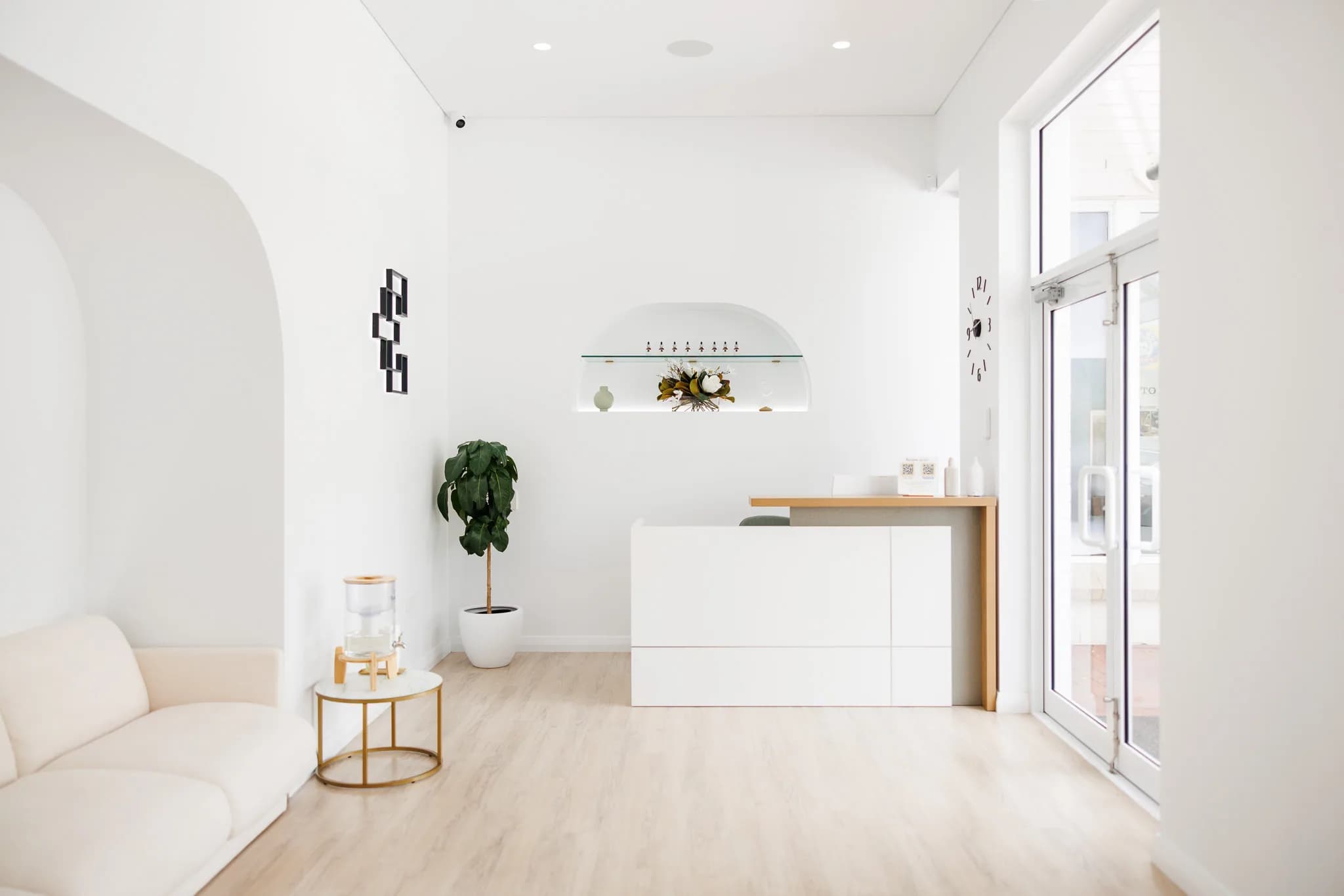
Hyperbaric Oxygen Therapy is available at both our Claremont and Duncraig centres in Perth, Western Australia. Each location includes both the Oxygen Health Systems lie-down chamber and the clinical-grade Zeugma chamber, allowing protocols to be paced according to recovery goals, comfort preferences, and oxygen delivery requirements.
Protocols that include HBOT.
Structured recovery support designed to complement your existing rehabilitation, healthcare or performance plan.
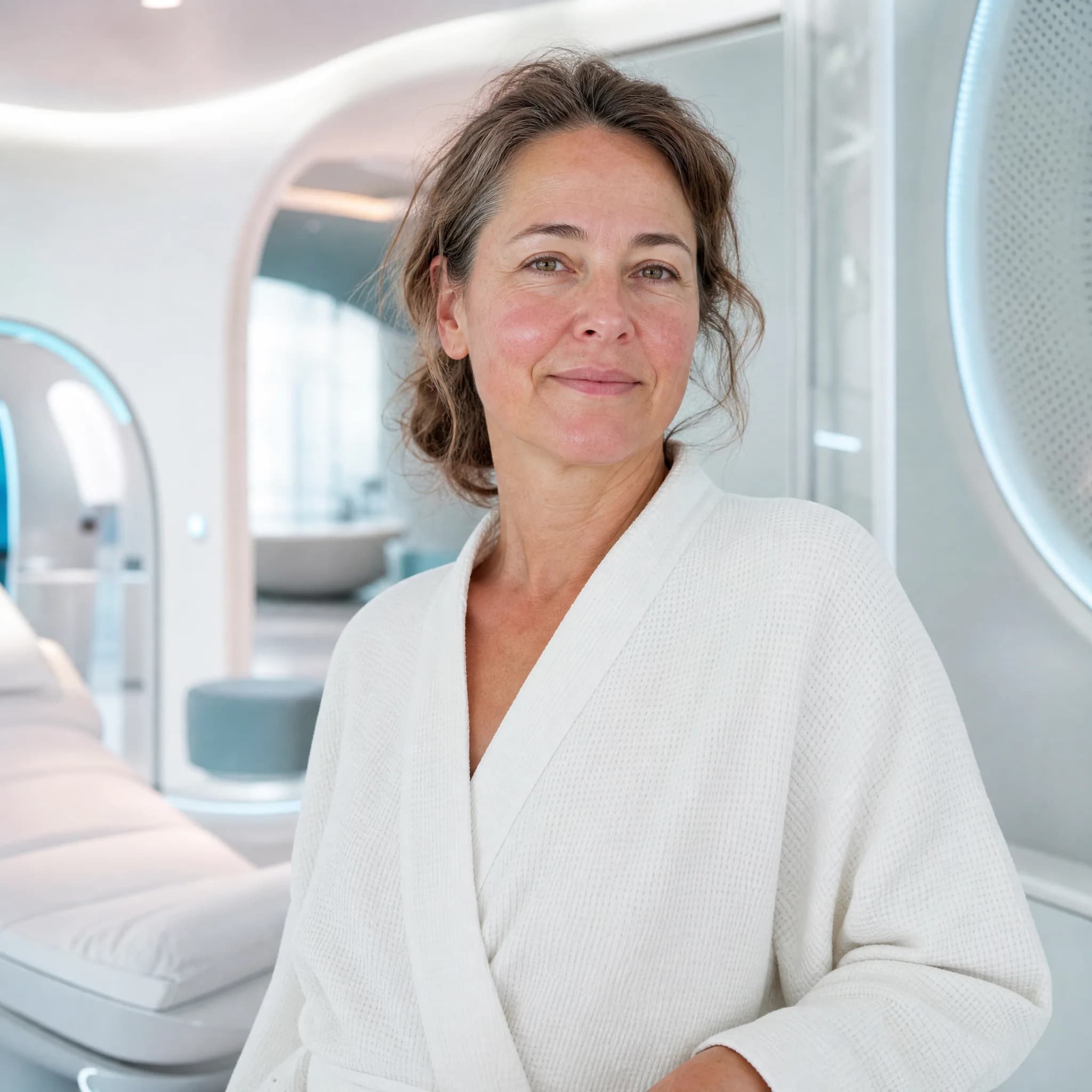
A structured recovery and performance plan designed to support energy, resilience, recovery capacity, and healthy ageing over time.

A structured multi-modality plan designed to support skin health, circulation, cellular recovery, and recovery from ongoing inflammatory or environmental stress.
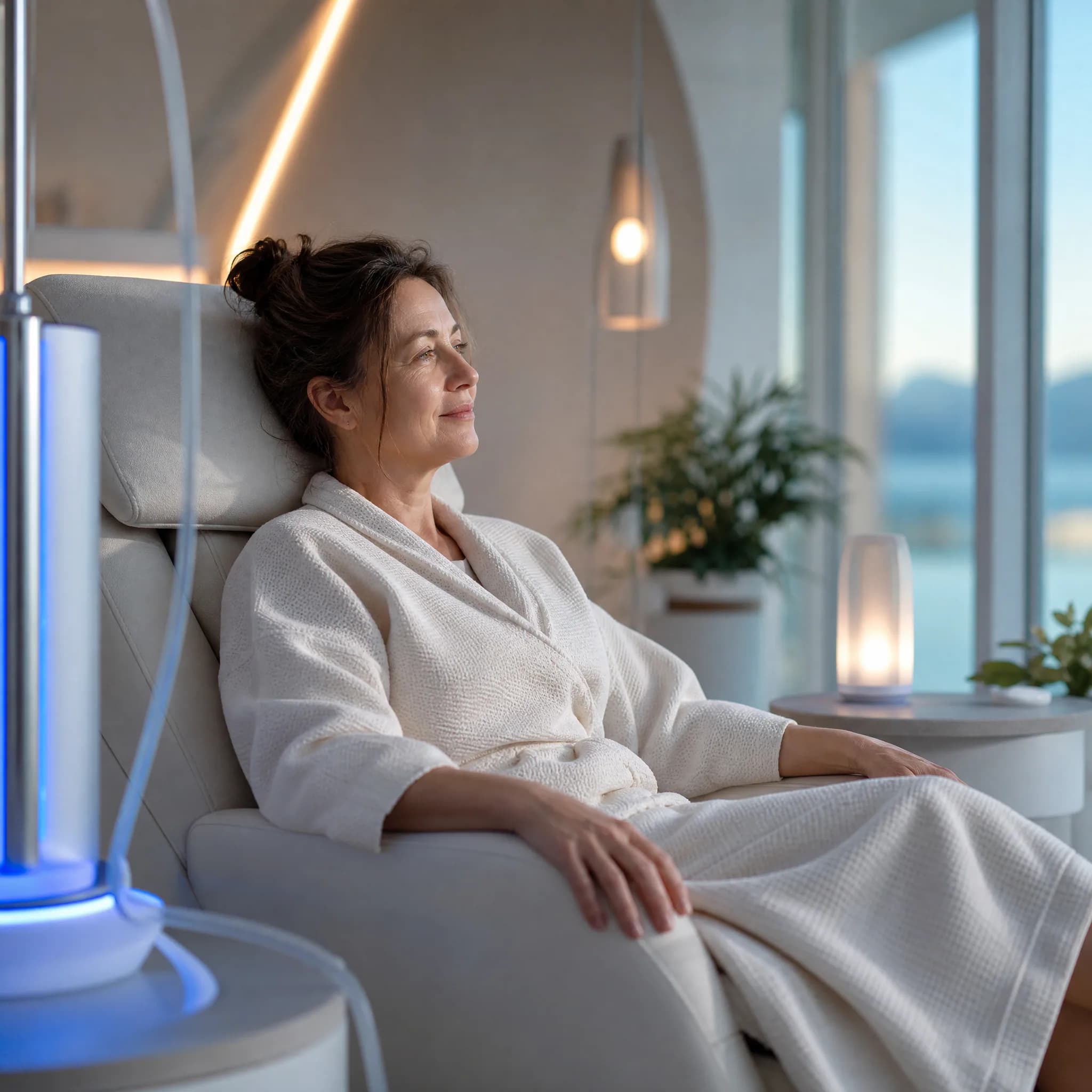
A gentler recovery pathway for people navigating burnout, prolonged stress, nervous system overload, fatigue, or periods where recovery capacity feels depleted.
Speak with the team about HBOT.
Discuss your recovery goals, current health context, and whether HBOT is appropriate within a structured recovery plan.